
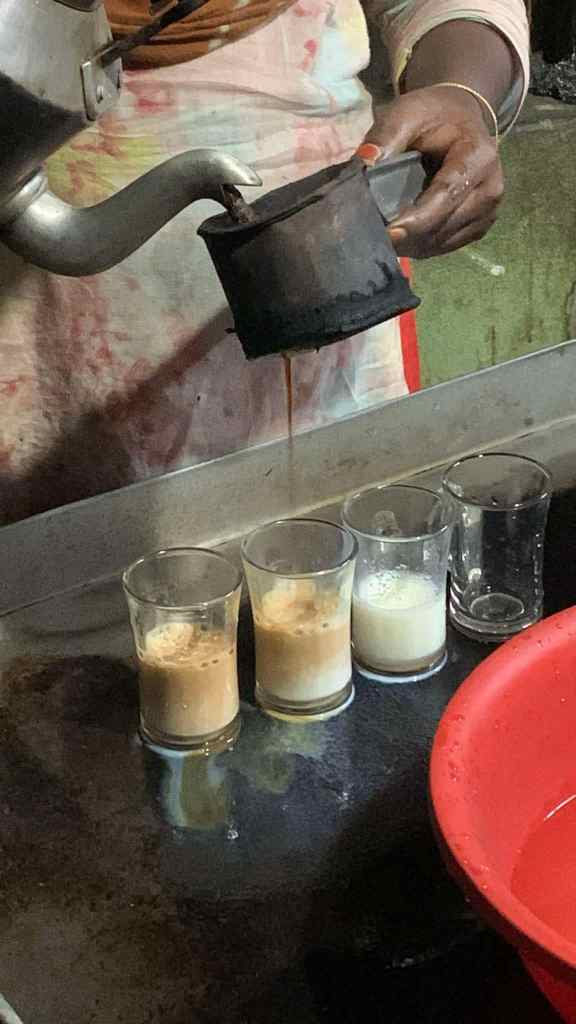
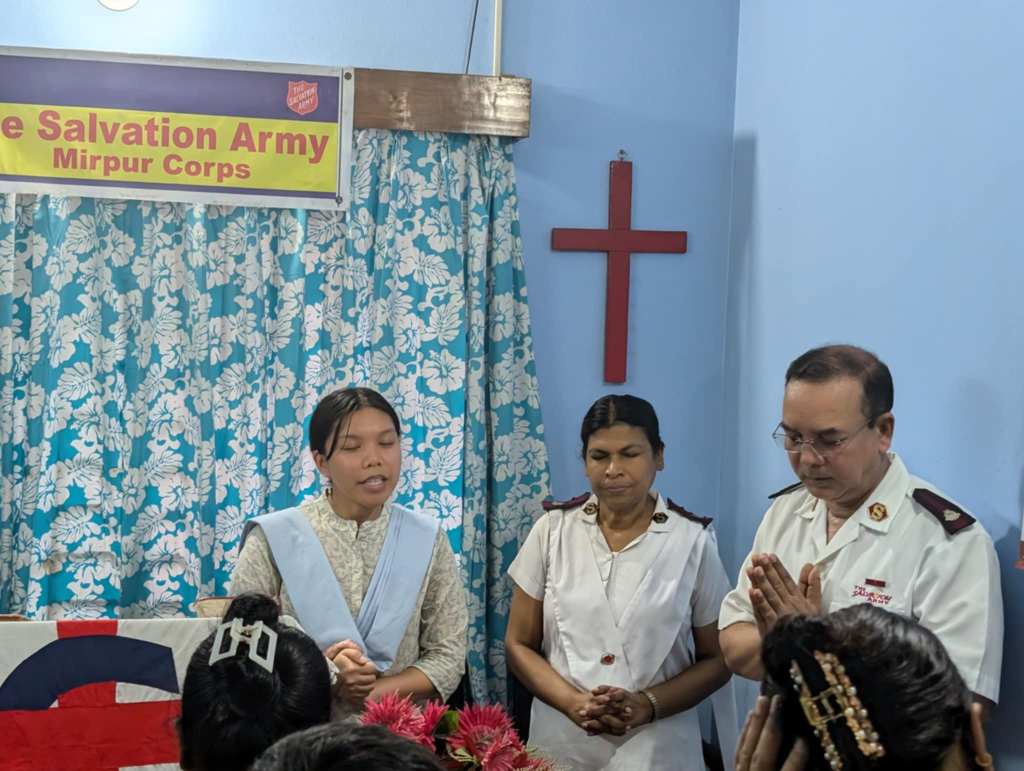
Nomoshkar shobai, amar naam Jessica. Ami Canada theke-esechi. Ami amar shami shonge dui maash age Bangladesh-e eshechi… Amra Bangla shikchi. Ami aam pochondo kori. Ami dud cha pochondo kori. Ami shudhu ektu Bangla-e bolte pari, tai ekhon English-e kotha bolbo. Jessica has kicked off many events introducing herself with some variation of these sentences since we have been here. It translates to, Hello everyone, my name is Jessica. I am from Canada. My husband and I arrived in Bangladesh 2 months ago. We are learning Bangla. I like mangoes. I like milk tea. I only speak a little Bangla, so now I will speak in English. At that point a translator usually jumps in and helps lead the session. But these are all very true parts of Jessica that have connected her to others. We are learning Bangla (albeit slowly) which has helped us connect in special ways to officers, soldiers, co-workers, and the general public.
Jessica has been especially blessed by our arrival during mango season. While I don’t particularly care for the orangey-yellow fleshed fruit, Jessica has made it known that she will eat her weight in it if given enough time. We have a mango tree outside our house/office building, and people have dropped off mangos from their home villages for her to try, borro (big) and choto (small) size. One co-worker sent 15kgs by courier for her to enjoy, and on her way back from a trip to North Bengal, the van made a special stop so Jessica could buy 5kg to bring home. Mangoes have become a staple of our first 3 months in Bangladesh.

One special thing about mango trees is that they are slow-to-bear. Mango trees, when grown from seed, do not generally bear fruit for 5-8 years, and in some circumstances even longer! They spend a considerable amount of their early years establishing a root system and reaching a certain level of maturity before finally flowering and producing the beautiful holud ebong golapi phul (yellow and pink flowers) and sweet fruity flesh. And each time I look at a mango I think of the history of the tree that produced it.


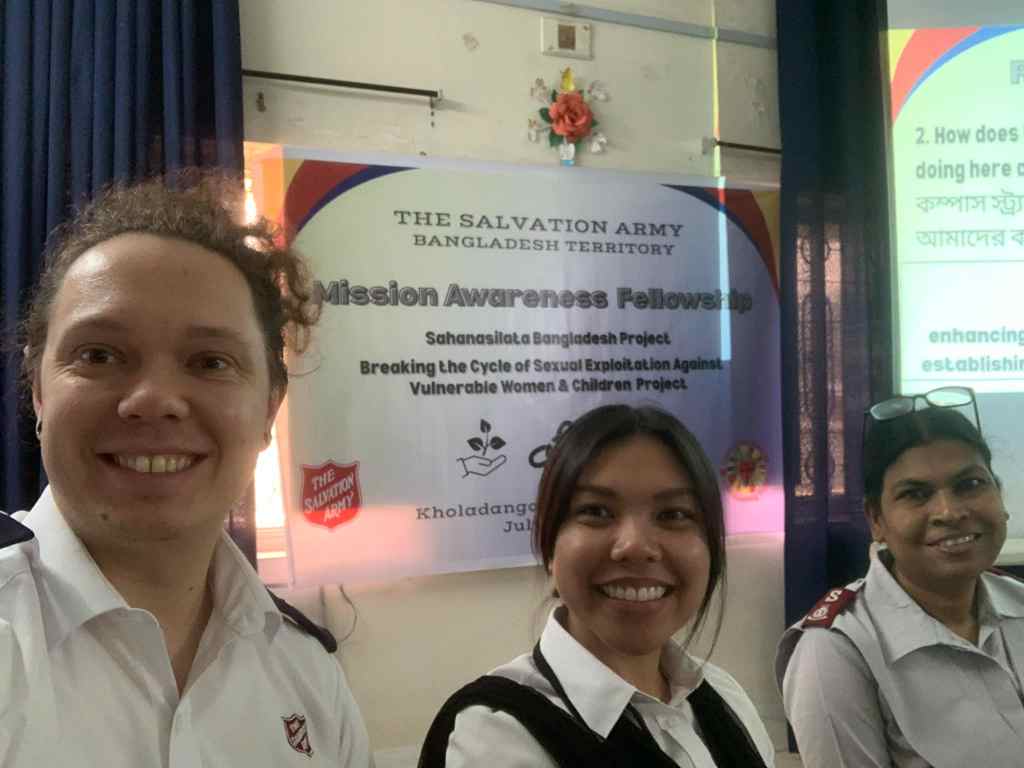
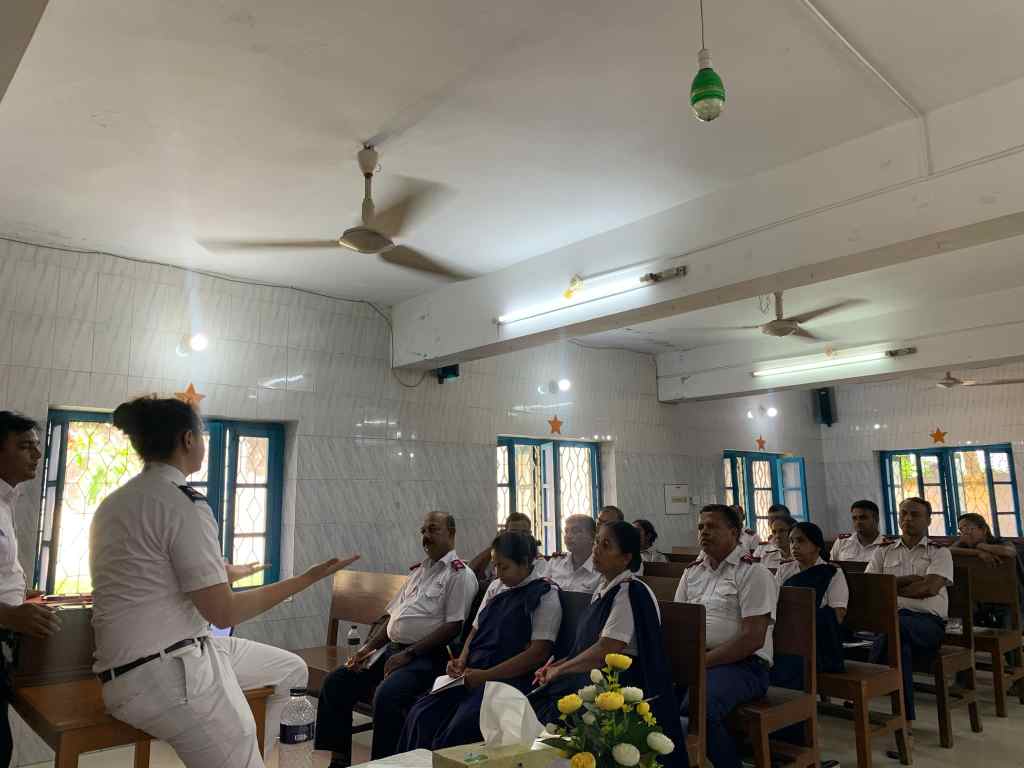
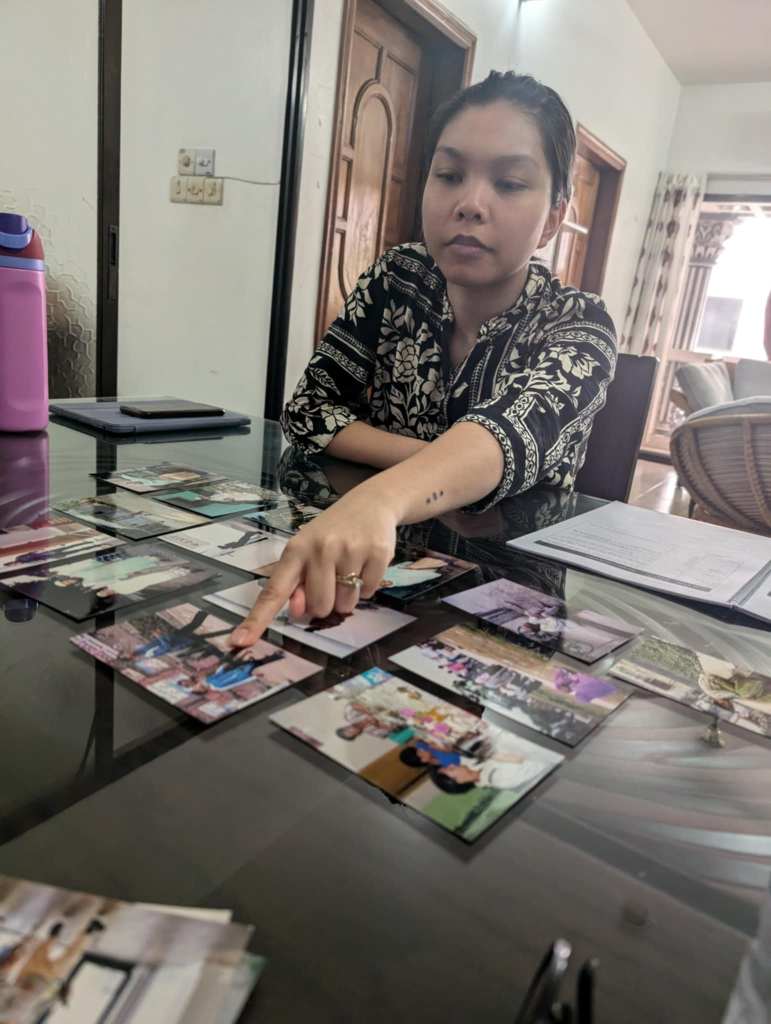
Our lives right now are busy. There is much immediate action required to serve the church and its projects here. But to rush through these processes will not produce the fruit we are looking to bear. Since our last letter, I have run a men’s ministry workshop in Savar, youth consultation at the training college, went to the Alpha Regional Gathering in Malaysia, gotten sick and recovered, lead a two-day local officer’s workshop in Jashore followed by a corps assessment. Jessica has led two mission awareness seminars, a project management council, headed many project expenditure boards, gotten sick and recovered, visited two projects in Jashore and spoke at a Jr. Home League rally in North Bengal.
We regularly have to step back and ask if we are setting up a root system or attempting to bear fruit too quickly. Do we understand the purposes for our events and work? Do we have the capacity to do them well? Are we laying down the foundation to produce the best outcomes we can and ensure their sustainability?
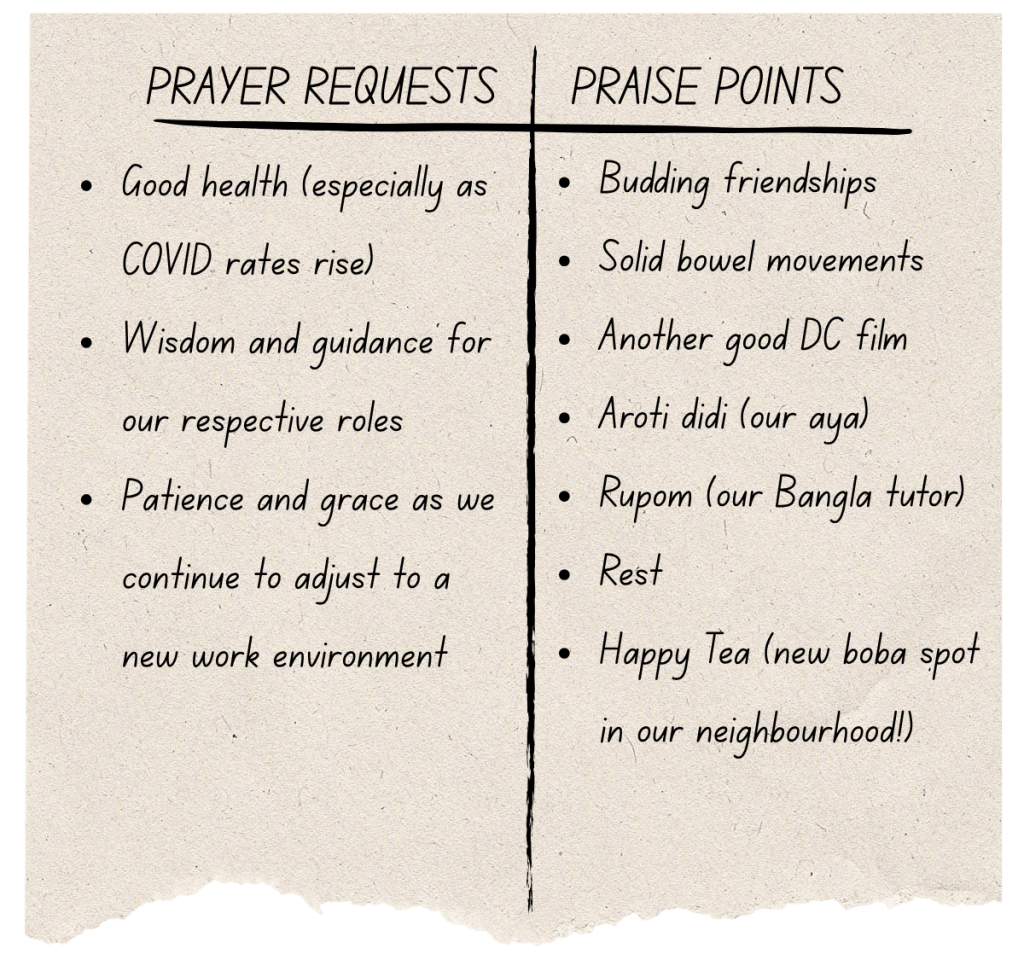
Amidst all the activities we have been conscious to try and lay some groundwork. We have been building our own capacity slowly and have been continually blessed in the process. The two biggest steps have been starting Bangla lessons. Due to our schedule, we are only able to give ~4.5 hours a week to classes directly after the workday, which puts us in the category of hobbyist language learners (according to our MTI training, at least). Still, we have found it a huge gift, and feel it is a paramount part of establishing ourselves here. The Bangla language is a very important part of the Bangladeshi identity, and the blood shed for the right to speak it is memorialized across the country. As simple as it may be, being able to say ami aam pochondo kori has given us an incredible amount of respect within the community.
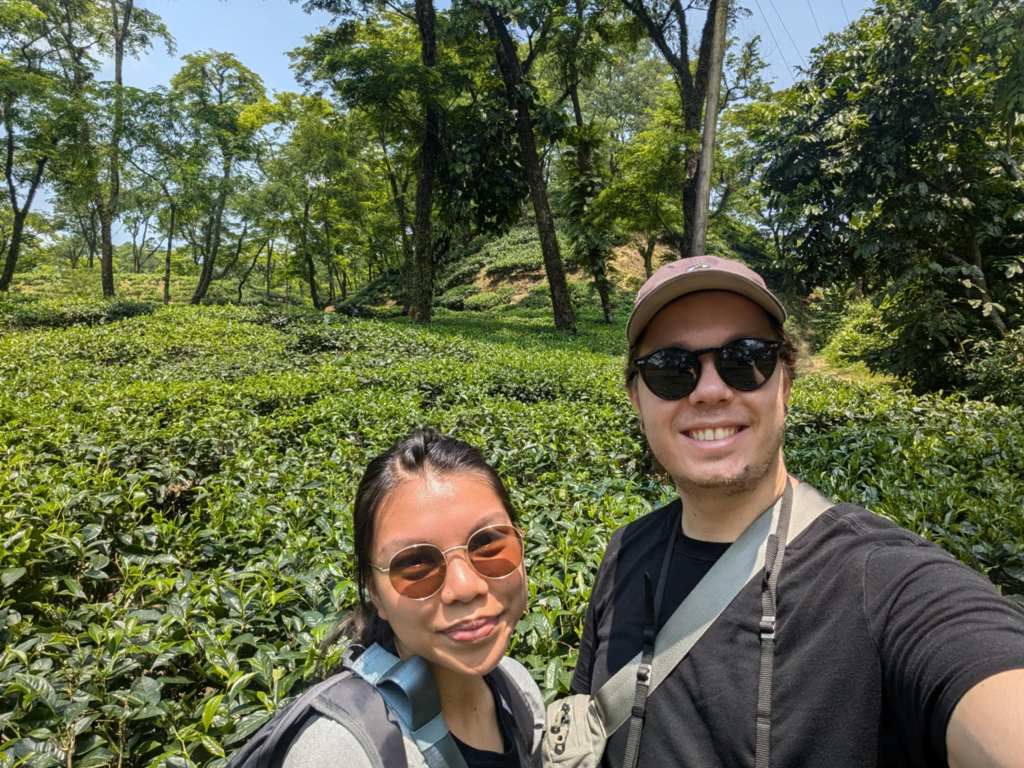
Secondly, we now have an aya (house helper). 3 days a week, while we are at work, she cleans our house, does the laundry, grabs some groceries and cooks us lunches and dinners. The role of an aya is deeply rooted in the social fabric of Bangladesh and we are blessed with a lovely woman who has taken the burden of housekeeping off our shoulders, that we might have the capacity for language learning and the opportunity to rest and relax after a busy day of work. Other blessings have included a brief vacation in the tea gardens over Eid al-Fitr, playing board games and seeing Superman in theatres with new friends, and gaining more confidence in traversing the city via local transportation.
We may be slow bearing, but it is our prayer that the root systems we create now, will produce fruit sweeter than we have ever tasted.







 Letters From Jahr & Jess in the Desh
Leave a reply to wemetindhakafat Cancel reply